Vietnam is one of my favorite countries in the world. It is a place I have returned to again and again over the years. Recently, the country has experienced a massive surge in popularity, evolving from an "off-the-beaten-path" backpacker secret into one of the most popular destinations in Southeast Asia—even rivaling Thailand.
With this new wave of tourism, Vietnam has entered a rapid state of transition. You see the signs of this boom everywhere, from the bustling resort developments of Phu Quoc and Da Nang to ambitious real estate projects like Vinhomes Hai Van Bay. In some areas, like Quy Nhon, towering condo high-rises stand nearly empty, waiting for a rush of demand that has yet to arrive. It is a nation caught in a fascinating paradox: deeply rooted in its rich past, yet with its eyes set firmly on the future.
While it is easy to focus on these rapid modern changes—both the good and the bad—I keep returning for the elements that remain beautifully unchanged. For me, the true heart of Vietnam lies in three things: the people, the food, and the natural beauty. These are the enduring anchors that draw me back time and time again, regardless of how fast the skyline changes.
The People
Ask anyone who has traveled here, and they will tell you the same thing: the Vietnamese people are the ultimate highlight of the country. They are some of the most genuinely kind, hard-working, and generous people I have ever met, and they have a unique way of making you feel instantly welcome.
Admittedly, the "way" things are done here can occasionally be confusing and downright frustrating. Dealing with minor formalities, regulations, or any sort of official bureaucracy can turn what should be a five-minute fix into a multi-hour or multi-day event. It is the reality of a country with one foot in the past and one in the future; ask anyone standing in a stagnant immigration line if they think the system is making progress, and they will laugh out loud.
Yet, the people of Vietnam possess an incredible resilience. Perhaps it is this constant navigation of daily bureaucracy that makes them so patient, or perhaps it is the ever-present heartbeat of Buddhism underlying the culture. Whatever it is, experiencing their patience is both refreshing and instructive for an American like me.
Ultimately, the people are what Vietnam is in the final tally. They are incredibly giving with their time, food, culture, and enthusiasm. I have been invited into homes and fed while sitting on the floor more times than I can count. I’ve been pulled into singing karaoke (very poorly, I might add) in the most random places, and I’ve ridden on the backs of motorbikes driven by strangers who just wanted to help me find the best phở in the city. Their warmth is what truly sets this country apart.
The Food
Vietnam boasts a culinary history and culture unlike any other place on Earth. It is a masterful convergence of fresh vegetables, meats, noodles, and rice.
To illustrate, I once had bánh canh cua (crab tapioca noodle soup) made on the side of the road by a woman holding a baby on one hip while fully pregnant with her next. She effortlessly ladled out bowls of absolute heaven while casually chatting with her sister on WhatsApp. The final cost? $2.78 USD. It makes you wonder how so much complex flavor, spice, and texture can be packed into such a small, humble space.
I often joke that the Vietnamese don’t fully realize just how extraordinary their food is. Because many locals don't travel abroad, this world-class cuisine is simply their everyday norm—they have never had to experience the dismal culinary state of some other countries!
You also cannot ignore the fascinating culinary stamp of French colonialism, most famously seen in the bánh mì. Because wheat does not grow well in Vietnam’s tropical climate, bakers substituted a significant portion of the wheat flour with rice flour. This accidental adaptation birthed the incredibly light, crispy baguette that became a national staple.
To me, the best way to explore a country is through its food. It is a universal language that instantly breaks down barriers and cultural differences. You can sit across a table from anyone and share a meal—no translation needed. Food in Vietnam is inherently social, meant to be shared with the community around you. My best advice? Try everything.
The Beauty
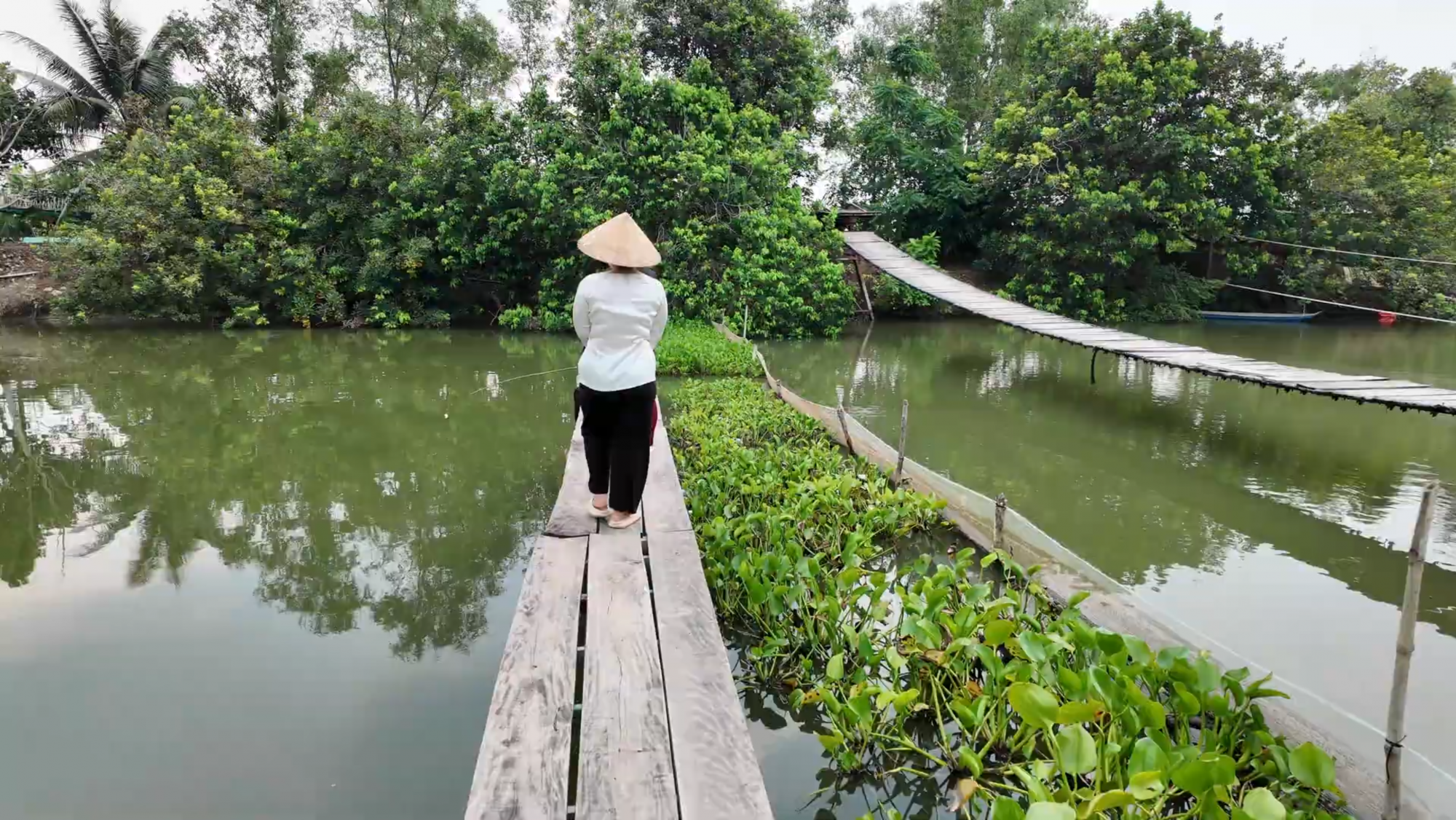
The final reason I keep returning is the breathtaking landscape. Vietnam is not a massive country geographically, but it packs an unbelievable amount of diverse terrain into its borders.
Because the nation stretches along a single, continuous coastline, you are never too far from stunning beaches and world-class seafood. Move inland, and you will find the largest caves on the planet hidden beneath dense jungles. In central and eastern Vietnam, the landscape softens into peaceful, pastoral farmlands.
Heading north toward Hanoi, Sapa, and Hà Giang, the terrain transforms into dramatic, rugged mountain ranges punctuated by cascading rice terraces. Meanwhile, down near the Cambodian and Laotian borders, the highlands feature thriving coffee plantations and farms harvesting vibrant peppercorn and pungent durian. For its size, there are very few countries on earth that offer such a massive geographic variety in such a compact space.
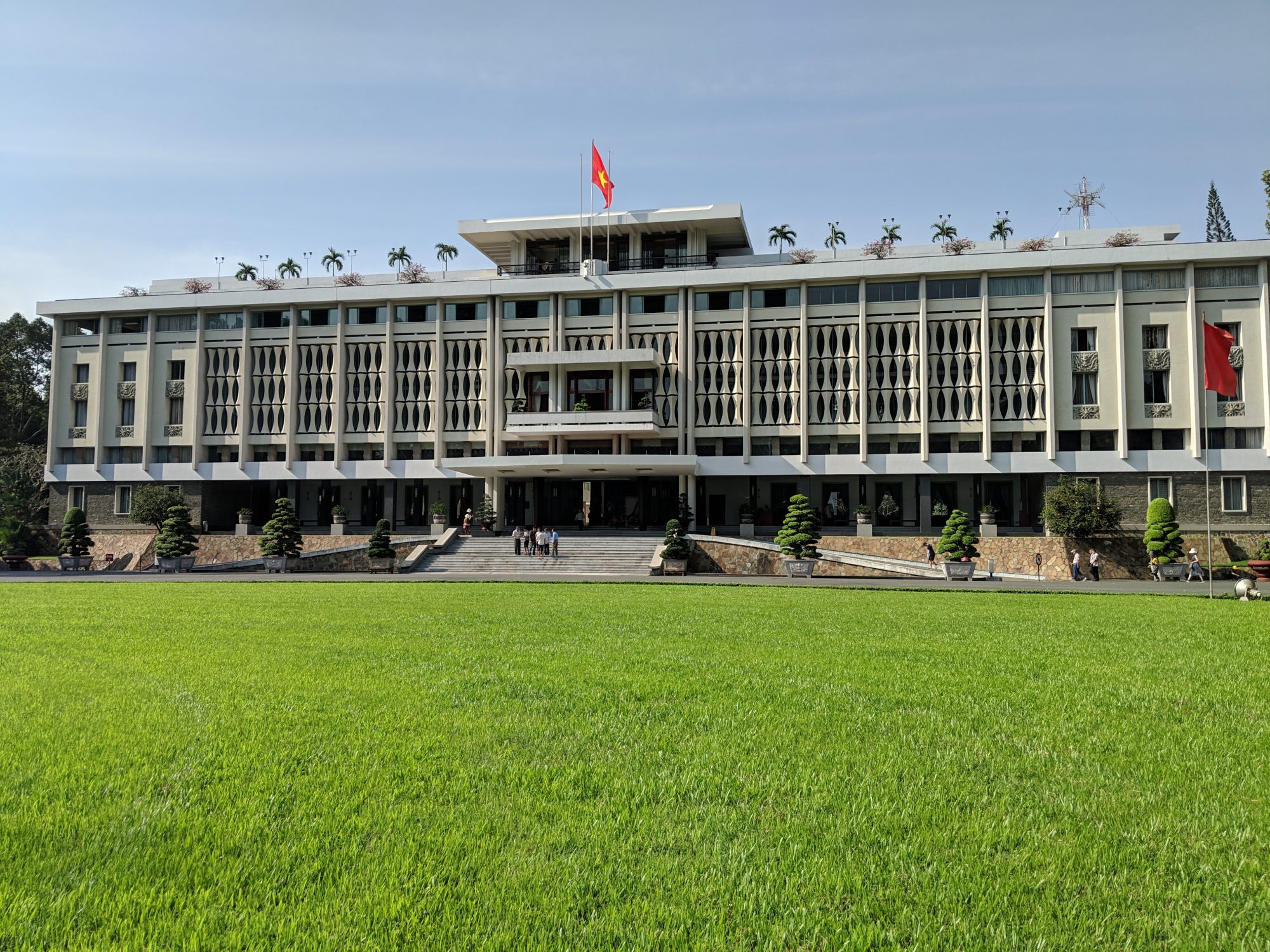
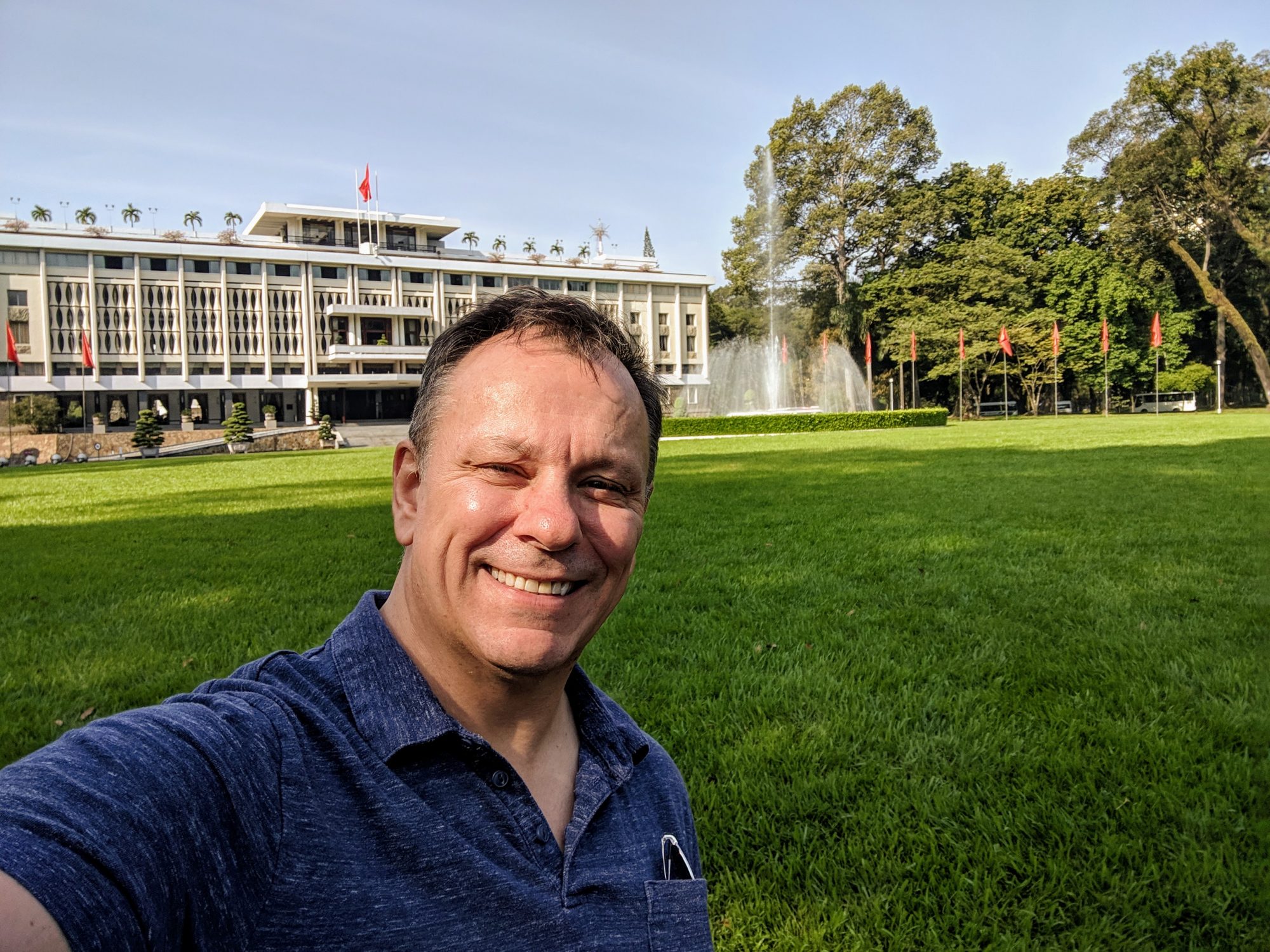
Featured Photos

Know Before You Go
Typical Monthly Weather
Explore cities in Vietnam
City
Can Tho
✓ Visited1 video
 City
City
Da Lat
✓ Visited1 video
City
Da Nang
✓ Visited3 videos
Dong Van
✓ Visited0 videos
Du Gia
✓ Visited0 videos
 City
City
Ha Giang
✓ Visited4 videos
 City
City
Ha Long
✓ Visited11 videos
 City
City
Hanoi
✓ Visited1 video
City
Ho Chi Minh City
✓ Visited7 videos
 City
City
Hoi An
✓ Visited6 videos
City
Hue
✓ Visited3 videos
Meo Vac
✓ Visited0 videos
Nha Trang
✓ Visited0 videos
Ninh Binh
✓ Visited0 videos
City
Phu Quoc
✓ Visited0 videos
City
Pleiku
✓ Visited2 videos
Sa Pa
Not Yet Visited0 videos
 City
City
Vung Tau
✓ Visited1 video
Sights & Destinations
More sights and destinations coming soon.
Have a Travel Tip, Comment, or Future Destination Idea?
Send it my way!